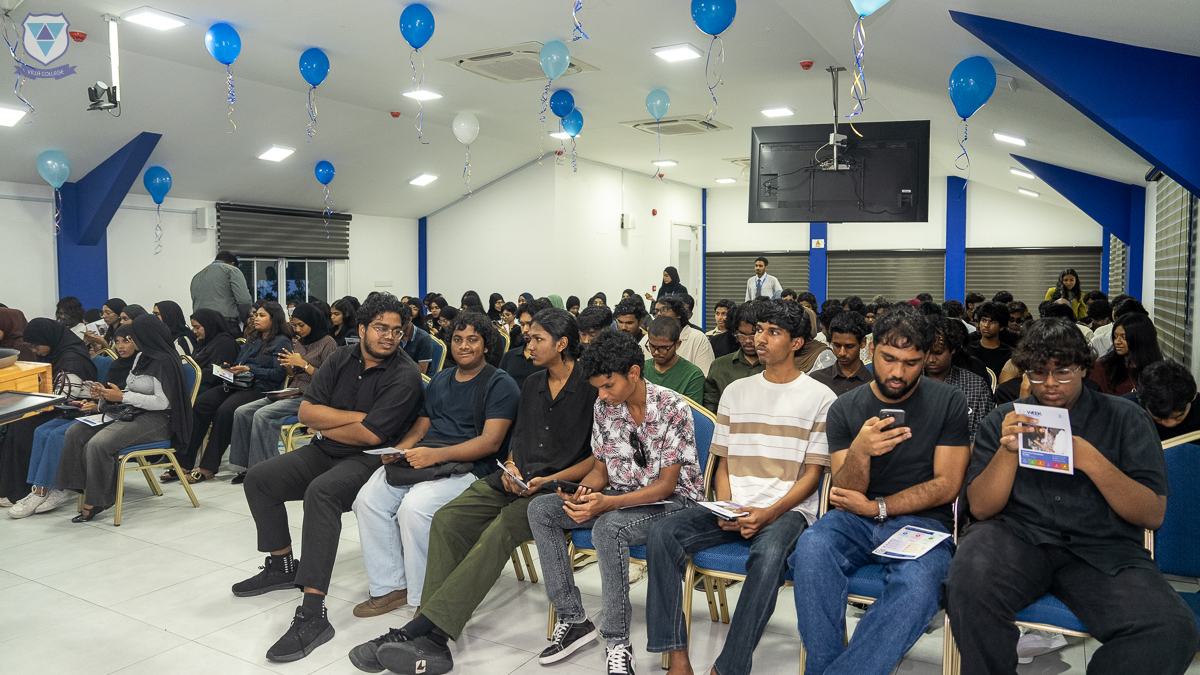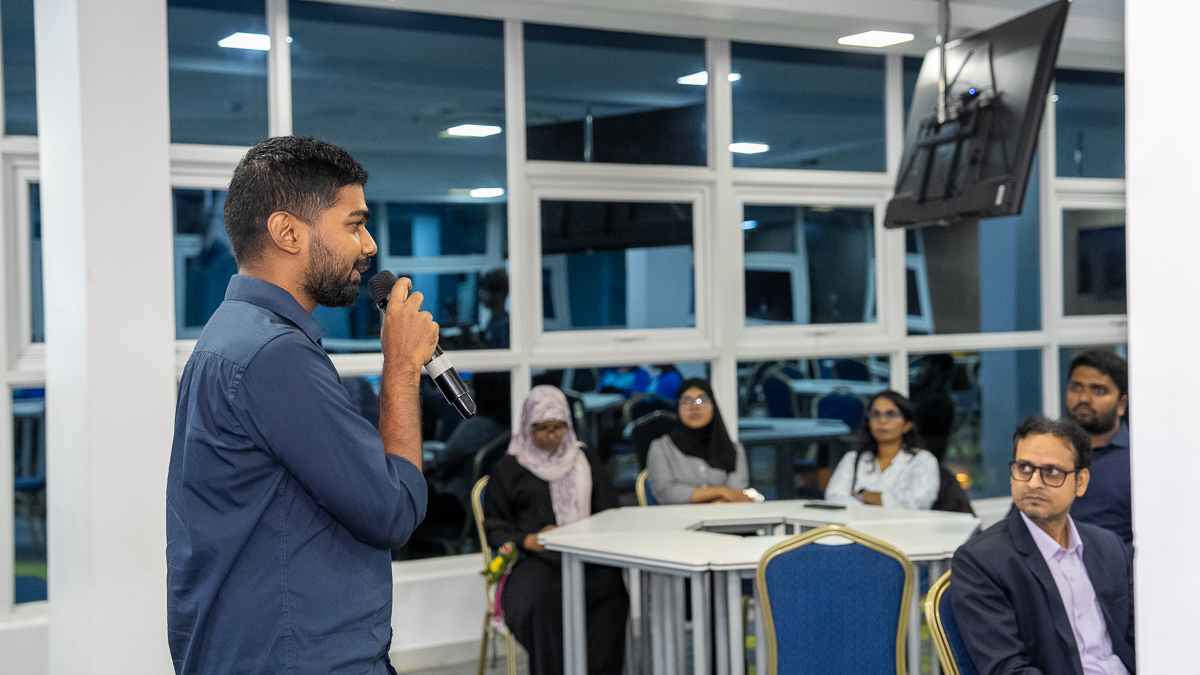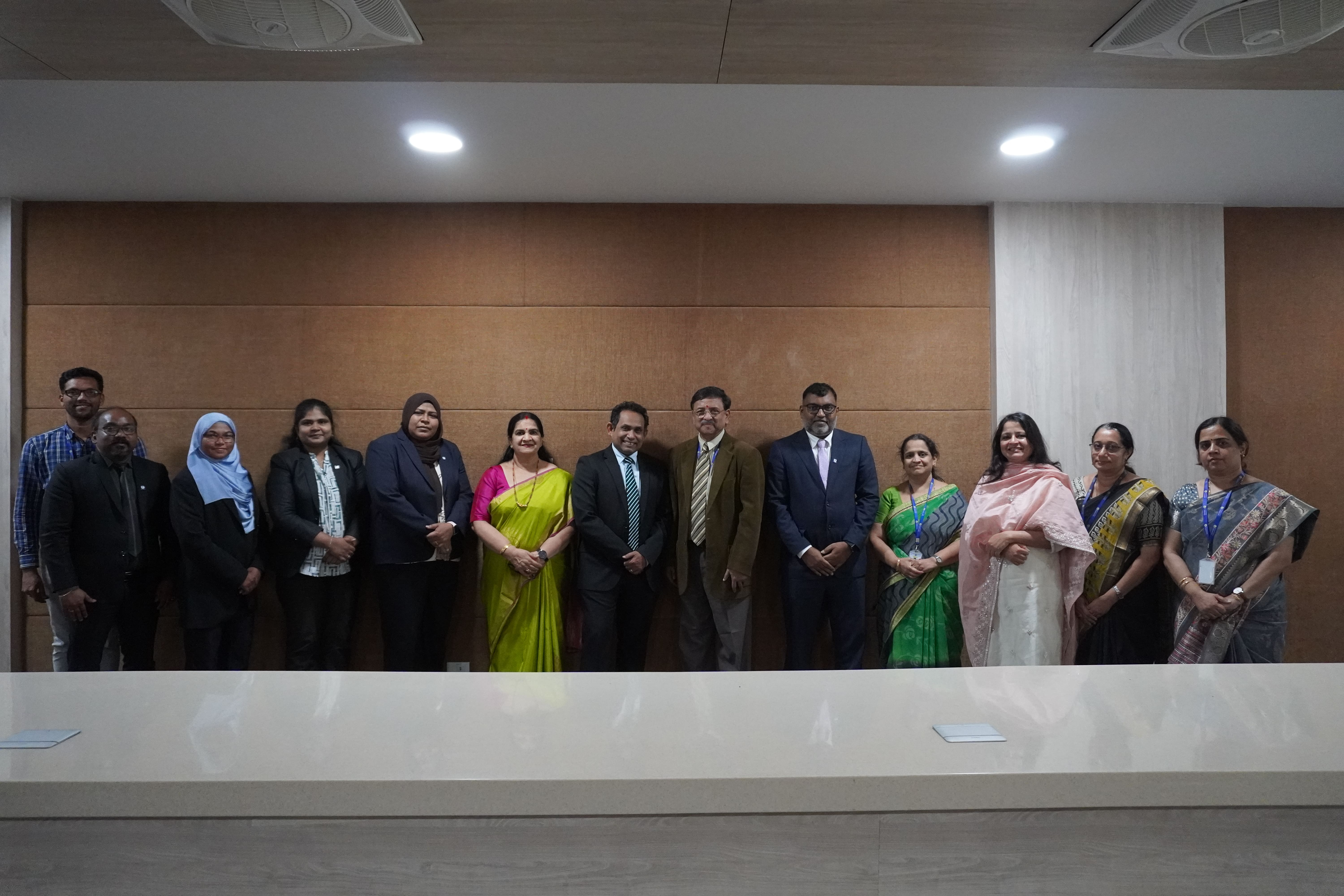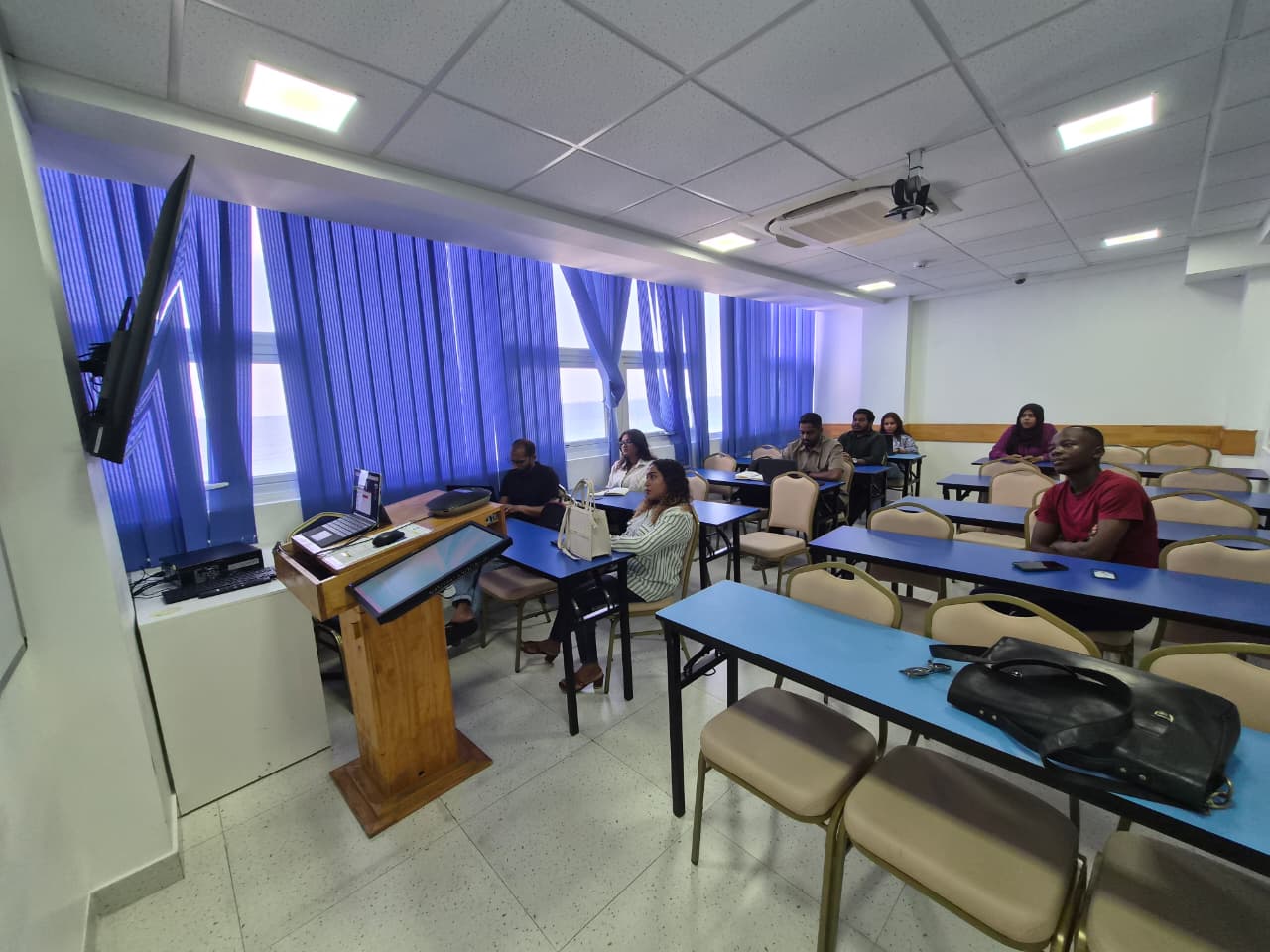
The Faculty of Shariah and Law at Villa College hosted Dr. Shilpa Sharma, Assistant Professor at Symbiosis Law School Nagpur, India, for a guest lecture on the Overview of International Commercial Mediation on 11 April 2026. Delivered as part of the Alternative Dispute Resolution module within the Villa College Law Lecture Series, the two-hour session provided students with a comprehensive examination of mediation's role in resolving cross-border commercial disputes.
International trade and business law have undergone a significant shift in how disputes are resolved. Litigation, while authoritative, is often protracted, adversarial, and costly, particularly when the parties involved operate across different legal jurisdictions. Arbitration addressed some of these limitations but introduced its own complexities around cost, procedural rigidity, and the finality of outcomes. Mediation has emerged within this landscape as a mechanism that prioritises party autonomy, confidentiality, and the preservation of commercial relationships. Dr. Sharma's session situated international commercial mediation within this broader Alternative Dispute Resolution landscape, exploring the key principles that underpin the practice, the role of mediators in facilitating negotiation, and the procedural framework through which mediated settlements are reached. For students training to enter a legal profession that increasingly operates across borders, understanding the full spectrum of dispute resolution options, and the strategic considerations that inform which mechanism best serves a client's interests, is a practical necessity rather than a theoretical exercise.
A central element of the lecture was the legal enforceability of mediated settlements, a question that has historically limited mediation's appeal in international commercial contexts. Arbitral awards have long benefited from the New York Convention of 1958, which established a near-universal framework for cross-border enforcement. Mediated settlements, by contrast, lacked an equivalent mechanism, meaning that a settlement reached through mediation in one jurisdiction could not be readily enforced in another. The Singapore Convention on Mediation, adopted in 2019, was designed to address precisely this gap. Dr. Sharma's session gave particular attention to this landmark international instrument, which allows parties to a mediated settlement to seek enforcement directly in the courts of signatory states. The Convention represents a significant development in the architecture of international dispute resolution, and its implications for commercial practice are substantial. Legal professionals advising clients in cross-border transactions now operate in an environment where mediation carries a degree of enforceability that was simply unavailable a decade ago, fundamentally altering the calculus of how disputes are approached.
The session drew active engagement from students, who raised questions across several dimensions of the subject. These included the comparative advantages of mediation over arbitration and litigation, the cultural dimensions of mediation across different legal systems, and the practical considerations that legal practitioners face when advising clients in cross-border disputes. Each of these lines of inquiry reflects a distinct and important aspect of the field. The comparative question requires students to weigh factors such as cost, time, confidentiality, relationship preservation, and enforceability against the specific circumstances of a dispute. The cultural dimension introduces a layer of complexity that purely doctrinal analysis can overlook; mediation, more than any other form of dispute resolution, depends on communication, trust, and the willingness of parties to engage constructively, all of which are shaped by cultural context. The practical dimension, meanwhile, forces a shift from academic understanding to professional application, asking not simply what mediation is but when and how a competent legal adviser would recommend it.
This guest lecture was delivered as part of the ongoing academic collaboration between Villa College and Symbiosis Law School Nagpur under their formal Memorandum of Understanding for internationalisation, knowledge exchange, and faculty exchange. The partnership continues to bring internationally trained legal scholars to Villa College, enriching the curriculum with perspectives drawn from legal traditions and professional environments beyond the Maldives. For students of the Faculty of Shariah and Law, access to this kind of expertise provides a direct window into the global dimensions of legal practice that will shape their professional careers.
The Faculty of Shariah and Law extends its appreciation to Dr. Shilpa Sharma for her contribution to the programme.