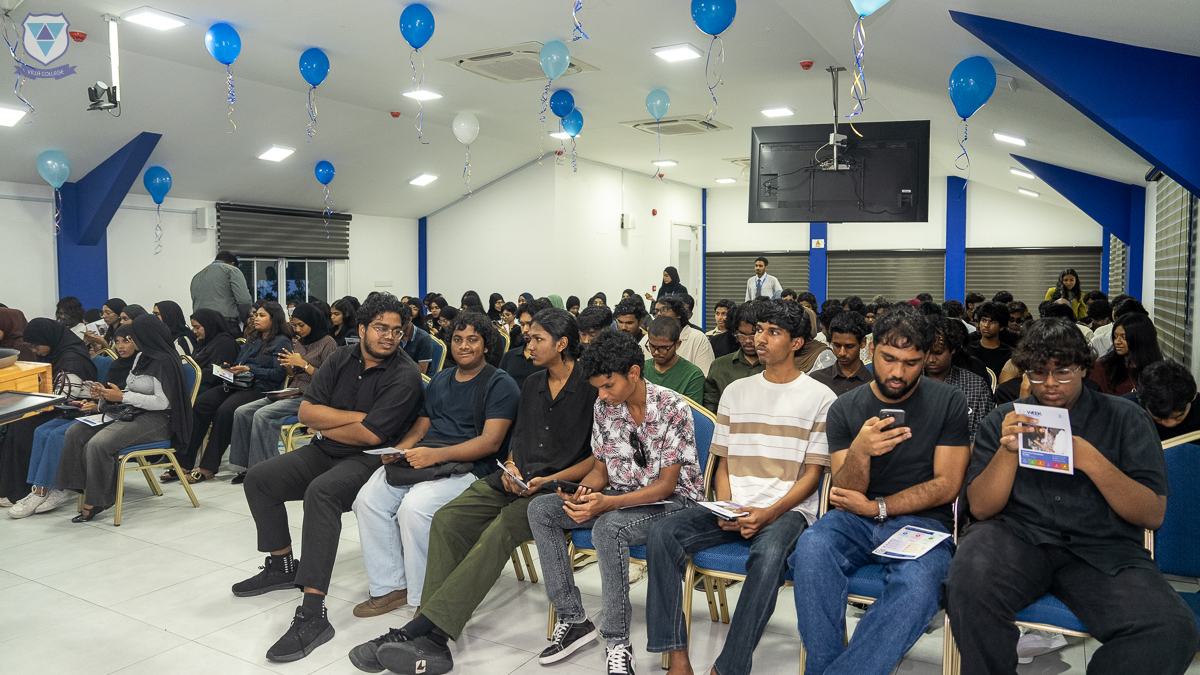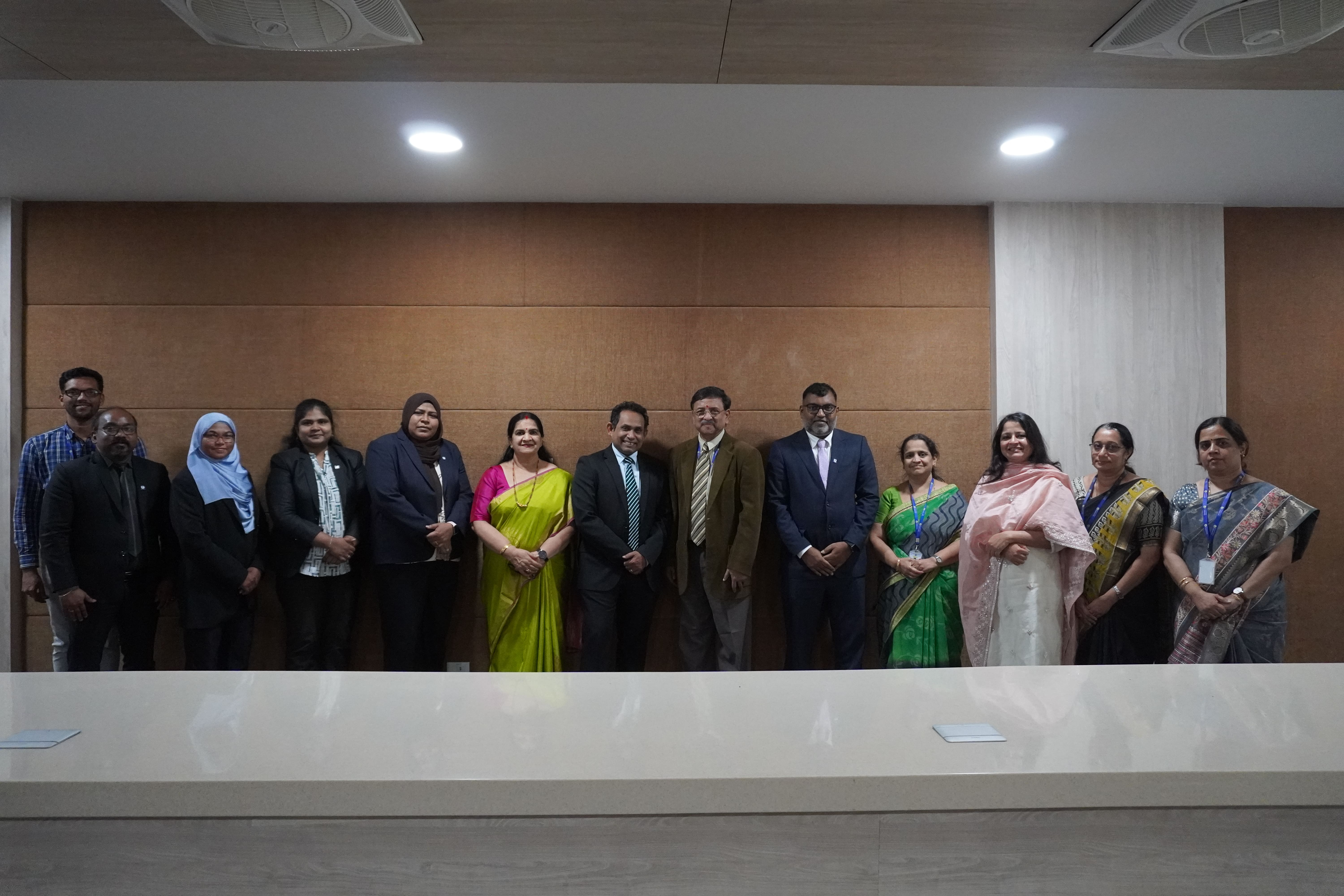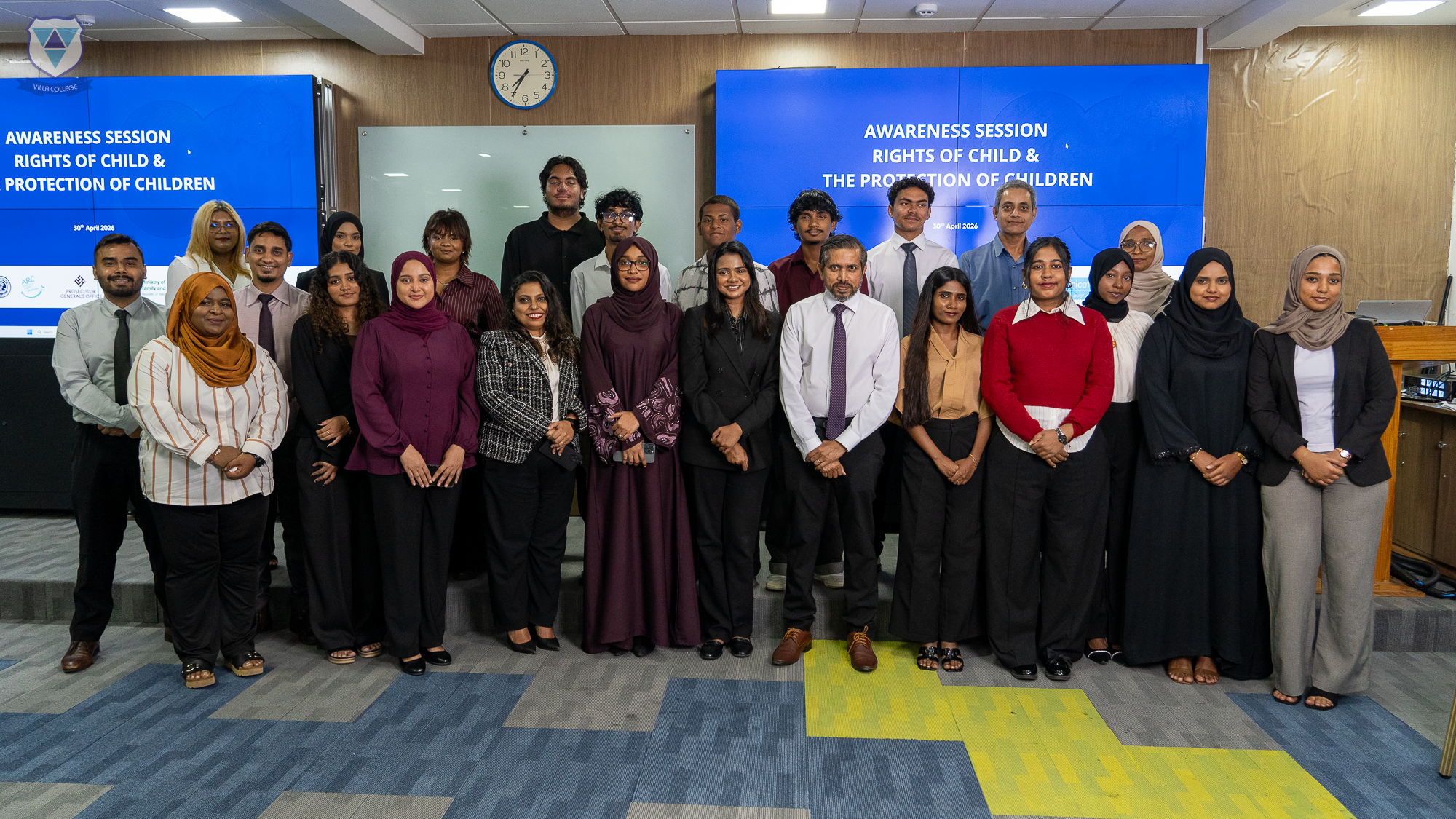
On 30 April 2026, Villa College hosted a session titled "Rights of the Child: Session on Legal Awareness and Protection of Children," bringing together child-protection stakeholders, practitioners, and students to consider how the Maldivian justice and welfare systems can better serve children. Organised by Villa College and the Villa College Law Society in partnership with Advocating the Rights of Children, and supported by the Prosecutor General's Office, the Ministry of Health, Family and Welfare, and UNICEF, the session offers a useful case study in how academic institutions can act as a convening point for serious policy reflection.
A first theme worth drawing out is the value of a genuinely multi-disciplinary approach. Child protection is often treated as a legal matter alone, yet the realities children face cut across several domains at once. By bringing together institutions that contributed legal, psychosocial, health, and policy perspectives, the session reflected a more complete understanding of the issue. The contrast is instructive. A discussion confined to courtroom procedure might identify what the law requires, but it would struggle to address the emotional and developmental needs that determine whether a child can actually participate in that process. Combining these perspectives allowed the conversation to be both practical and grounded in the lived experience of children.
A second and closely related theme concerns the substance of the challenges discussed. Speakers explored how to make justice accessible in a child-friendly manner, how to improve coordination between investigative, prosecutorial, and welfare agencies, and how to strengthen early-intervention and prevention mechanisms. These are not abstract concerns. Where agencies operate in isolation, a child may be required to recount a distressing experience repeatedly to different officials, each working from incomplete information. Where coordination is strong, the same child can be supported through a single, carefully managed process. The use of case examples and comparative experiences from other contexts helped illustrate how child-sensitive procedures, trauma-informed approaches, and specialised training can change the way children experience the legal system, turning an ordeal into something closer to genuine support.
A third theme is the deliberate focus on students as future practitioners. Law students and other participants were given space to ask questions, share reflections, and consider their own role in advancing child rights. This matters because the reforms discussed will ultimately depend on the professionals who carry them out. A trauma-informed procedure is only as effective as the prosecutor, investigator, or welfare officer applying it, and embedding these principles early in professional formation is one of the most durable ways to secure lasting change. The conversation emphasised listening to children, documenting gaps, and using evidence-based advocacy to shape better laws, policies, and practices, framing each participant as a potential contributor to that effort rather than a passive observer.
For organisations and institutions watching this work, several actionable insights emerge. The first is the practical power of partnership, since convening the right combination of legal, governmental, health, and international actors produced a richer discussion than any single body could have achieved. The second is the importance of pairing awareness with evidence, as the session's emphasis on documenting gaps points towards advocacy that is informed by data rather than assumption. The third is the long-term return on investing in the next generation of professionals, who will be responsible for translating policy intent into everyday practice.
In convening this session alongside its partners, Villa College reaffirmed its commitment to rights-based legal education and to serving as a platform where students, institutions, and experts can work together. The outcome was a discussion that was multi-disciplinary in design, practical in focus, and forward-looking in its emphasis on the people who will shape the system in years to come, contributing in a measured but meaningful way towards a safer and more protective environment for every child in the Maldives.